

Contact Info
Bazaar Rd, Nakuru, Kenya
(+254) 728 659 389
(+254) 723 734 934
info@kimsaelectricals.com

About Us
Kimsa Electricals is the leading lighting retailer with the largest inventory in Nakuru Kenya, offering the widest range of light fittings and lighting accessories.
About UsContact Info
- Bazaar Rd, Nakuru, Kenya
- (+254) 728 659 389
- info@kimsaelectricals.com
Solar connection vs normal electricity
.jpeg)
Solar Connection vs. Normal Electricity (Grid Power)
Both solar energy and normal electricity (grid power) have their advantages and disadvantages. Here’s a comparison to help you decide which is best for your needs:
1. Cost
- Solar Connection ☀️:
✅ High initial installation cost, but zero monthly bills afterward.
✅ Saves money in the long run.
✅ No fear of rising electricity prices. - Normal Electricity ⚡:
❌ Monthly bills keep increasing, especially with high power usage.
❌ Subject to government tariffs and price fluctuations.
2. Reliability
- Solar Connection ☀️:
✅ Works even in remote areas where the grid is unavailable.
✅ Power is consistent during the day, with batteries storing energy for nighttime use.
❌ May be affected by bad weather (requires proper battery backup). - Normal Electricity ⚡:
✅ Reliable as long as there’s no blackout.
❌ Frequent power outages and rationing in Kenya.
3. Maintenance
- Solar Connection ☀️:
✅ Minimal maintenance (cleaning panels, checking batteries).
✅ No risk of faulty wiring or transformer failures. - Normal Electricity ⚡:
❌ Requires regular electrical inspections.
❌ Risk of power surges and transformer breakdowns.
4. Environmental Impact
- Solar Connection ☀️:
✅ 100% clean and renewable energy.
✅ Reduces carbon footprint and supports sustainability. - Normal Electricity ⚡:
❌ Mostly generated from fossil fuels, which contribute to pollution.
❌ Not environmentally friendly.
5. Best Use Cases
- Solar Connection ☀️:
✅ Ideal for homes, farms, and businesses in areas with frequent blackouts.
✅ Best for lighting, TV, fridge, and small appliances. - Normal Electricity ⚡:
✅ Suitable for high-energy appliances like industrial machines.
✅ Reliable for urban businesses and factories.
Which One Should You Choose?
✔ If you want long-term savings & independence → Go solar 🌞
✔ If you need high power usage with no setup costs → Stick to grid power ⚡
✔ Best Option: Hybrid System (Solar + Grid) for backup power!
-
Solar connection vs normal electricity 03-Mar-25
-
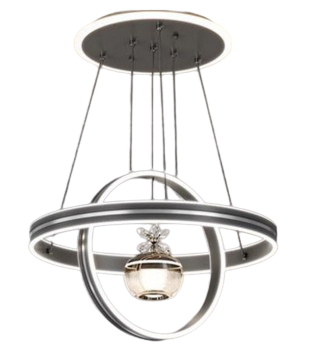 WHY LED IS BETTER THAN BULBS 14-Feb-25
 -
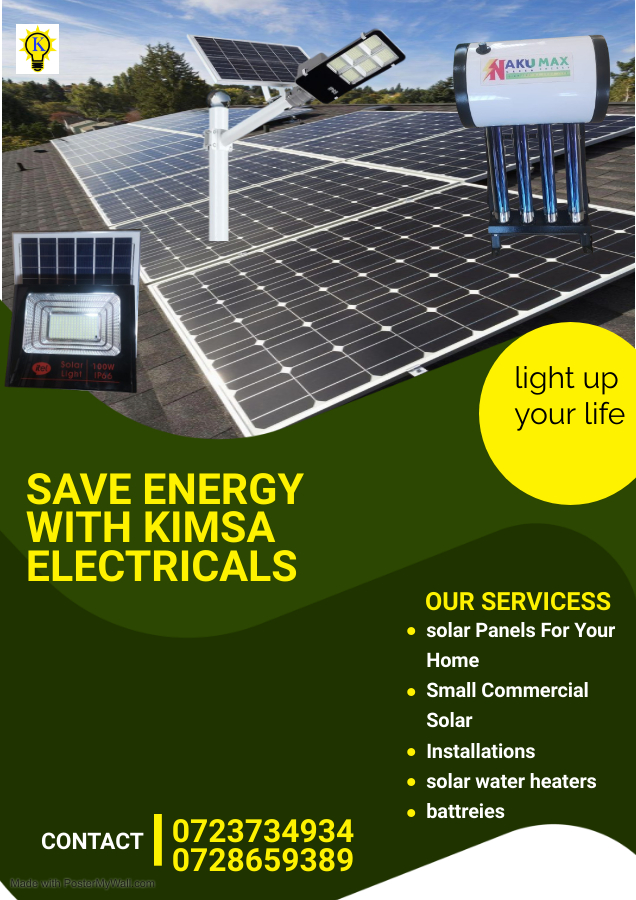 benefits of solar panels 07-Sep-24

Subscribe us
Subscribe us and get latest news and upcoming events.